There are still places on Earth where no human has ever set foot. Among these places are unclimbed mountains, often referred to as virgin peaks. Their inaccessibility is due to various reasons. Some mountains are considered sacred, and climbing them is strictly forbidden. Others are located in disputed territories or conflict zones, while some are so far from civilization that no one has ever dared to organize an expedition.
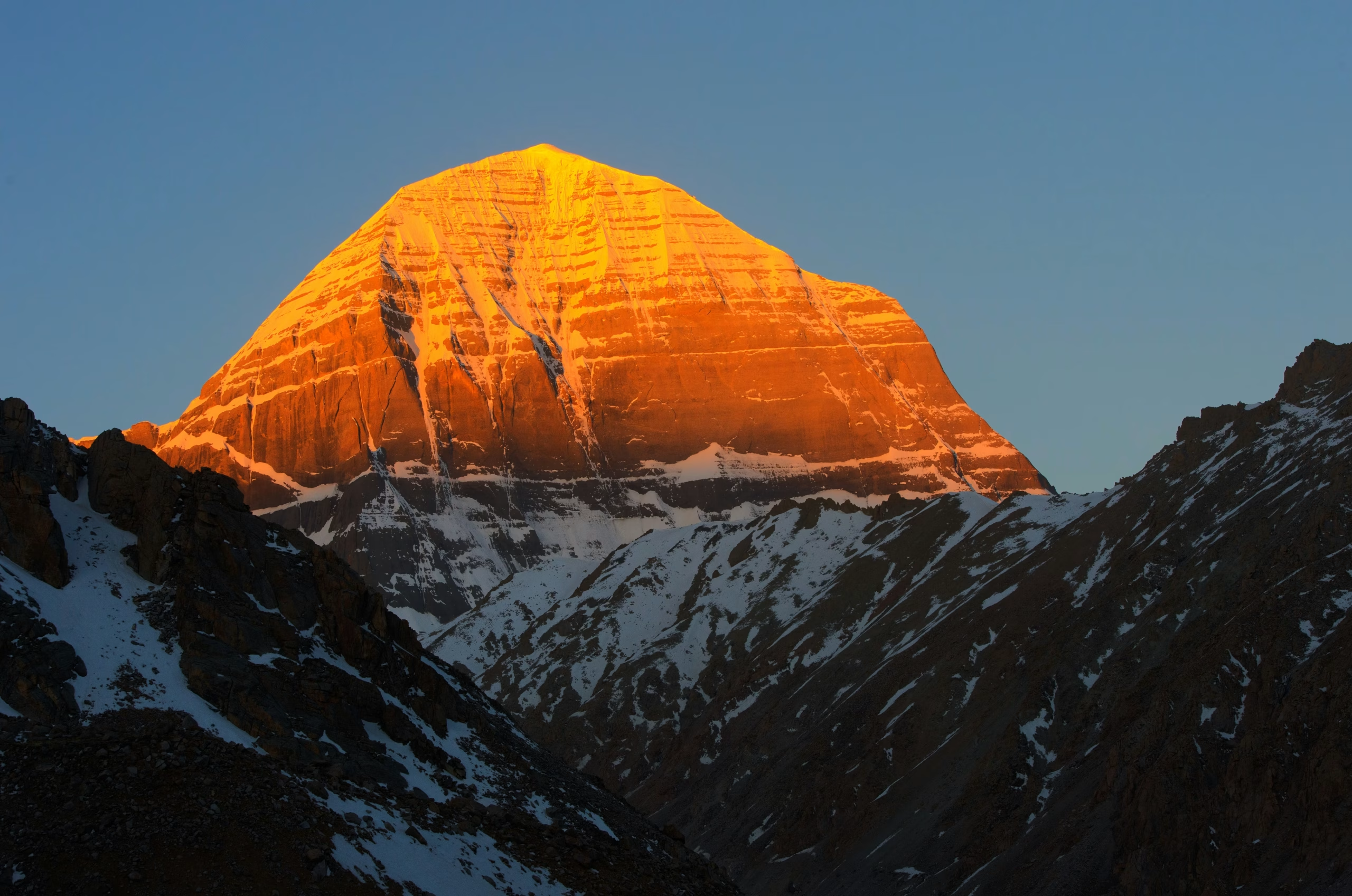
Mount Kailash or Kangrinboqe, 6,638 m (China)
Located in southern China, Mount Kailash is off-limits to climbers. Standing at 6,638 meters, it is a sacred site for four religions: Hinduism, Buddhism, Bon, and Jainism. Hindus are sure that the summit is the abode of Shiva. Buddhists believe that Kailash was conquered by Buddha in the incarnation of Samvar. For Jains, it is where their first Saint attained moksha (liberation from the cycle of rebirth). Followers of Bon consider it the center of the ancient land of Zhang Zhung, where their faith originated. Thus, the sacred status of the mountain does not allow it to be conquered.
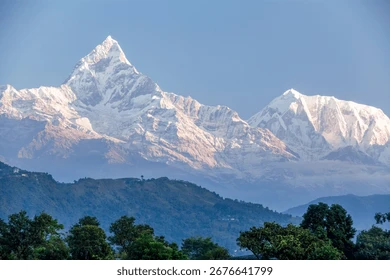
Machapuchare, 6,998 m (Nepal)
Being almost 7,000 meters high, Machapuchare remains one of the most challenging peaks to climb. It is located in the heart of the Annapurna range. Its name is literally translated as “Fish Tail,” as its twin summits resemble the tail of a fish. According to legend, the peak of the mountain is the home of the god Shiva, and the snowy mist on its top is the embodiment of his divine presence.
The only official attempt to climb the mountain took place in 1957 when a British expedition led by J. Roberts nearly succeeded. After 1.5 months, climbers turned back just 50 meters from the summit. Some sources claim they had promised the King of Nepal not to climb the peak out of respect, while others argue they were stopped by bad weather, loss of coordinates, and a steep ice wall.
Regardless, the mountain remains unclimbed. Later in 1957, Nepal’s government officially banned all ascents for religious reasons. Although the death penalty is no longer practiced in Nepal, violating this ban means condemning yourself to many years in prison.
Gangkhar Puensum, 7,570 m (China-Bhutan Border)
This mountain, located on the China-Bhutan border, is most easily accessed from Bhutan. However, Bhutan was a highly isolated country in the past century (and still limits tourism). Until 1983, Bhutanese citizens had no opportunity to climb it. Although climbing was permitted between 1983 and 1994, all attempts to reach the summit failed.
In 1994, Bhutan banned climbing peaks higher than 6000 meters, and 10 years later it declared mountaineering completely illegal on its territory, citing the offense it caused to religious sentiments. This left the Chinese side as the only possible route to the summit, but logistical challenges and diplomatic issues have prevented access. The only significant achievement was in 1999, when Japanese climbers reached the North Gangkhar Puensum, a sub-peak 35 meters shorter than the main summit. The primary peak remains unconquered.
Mount Siple, 3,110 m (Antarctica)
Standing at just over 3,000 meters, Mount Siple is considered one of the most inaccessible peaks in the world. No one has ever attempted to climb it. Located on Siple Island near Antarctica, it is far from any scientific stations on the continent. Such a distance makes it dangerous to reach even the foot of the mountain. Extremely low temperatures and wind pose a serious danger.
Karjiang, 7,221 m (China)
Karjiang is currently considered one of the most difficult peaks for mountaineering. While there are no religious or legal restrictions on ascending it, the climb itself is extremely challenging. Since 2010, no attempts have been made to reach its summit.
According to Danish climbers who successfully ascended the subsidiary peak of Karjiang III, the main summit looks deadly: it is highly rocky, extremely challenging to climb, and exceptionally dangerous, especially given the frequent bad weather and the constant threat of avalanches.