COP17 in Armenia: What the Conference Means for the Future of Our Planet
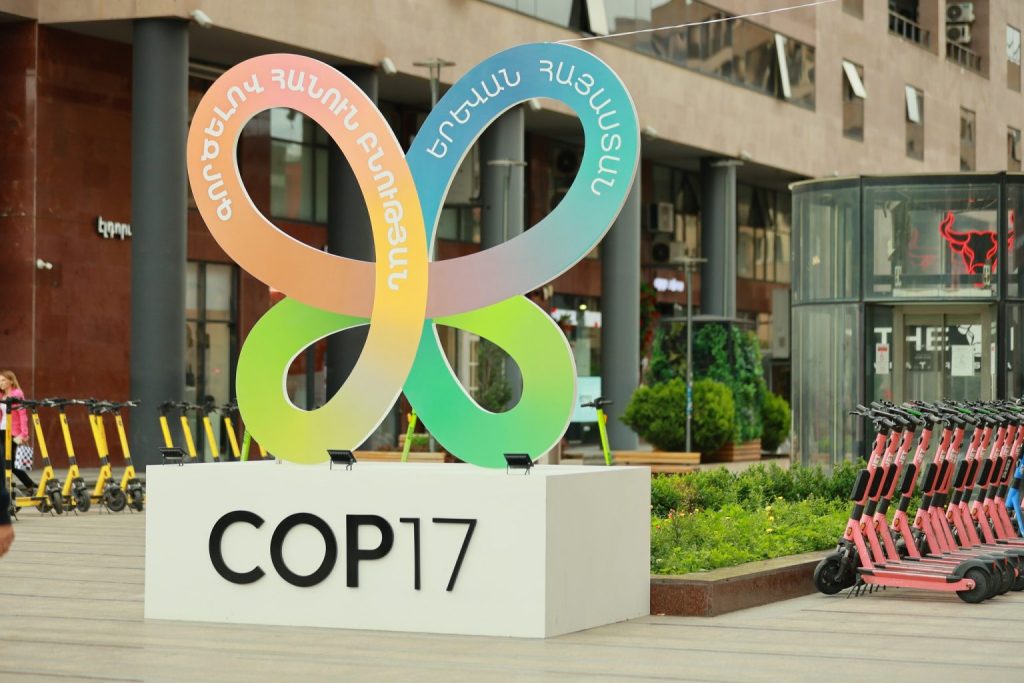
In October 2026, Armenia attracted international attention by hosting COP17, the seventeenth meeting of the Conference of the Parties to the United Nations Convention on Biological Diversity. Representatives of governments, international organizations, the scientific community, environmental initiatives, and businesses gathered in Yerevan to discuss one of the most important global challenges of our time: protecting nature and halting biodiversity loss.
The conference was held under the slogan Taking Action for Nature. Its main objective was to assess the results of international efforts to conserve biodiversity and identify the steps needed to achieve global environmental goals by 2030.
For Armenia, hosting COP17 was an opportunity to present the country’s natural wealth to the international community, draw attention to environmental protection, and strengthen cooperation in sustainable development.
The conference was scheduled to take place from 19 to 30 October, but discussions on key issues continued into the following day. Negotiations concluded on 31 October after additional time was allocated to reach agreement on decisions.
Why Was COP17 Particularly Important in 2026?
The defining feature of COP17 was that countries jointly assessed progress in implementing the Kunming–Montreal Global Biodiversity Framework for the first time.
Adopted in 2022, the framework establishes international priorities for nature conservation through 2030. It includes 23 targets aimed at protecting ecosystems, restoring natural areas, reducing pollution, and ensuring more sustainable use of resources.
By 2026, it had become clear that political declarations alone would not be enough to achieve these targets. Countries needed to assess actual results, identify gaps in implementation, and find additional sources of funding.
International assessments ahead of the conference indicated that progress toward several environmental goals was significantly behind schedule. COP17 therefore became an important milestone in moving from agreed intentions to measurable action.
Participants needed to address several fundamental questions:
How effectively are countries fulfilling their commitments to protect nature?
Which measures need to be accelerated before 2030?
How can funding for biodiversity conservation be increased?
How can environmental protection become an integral part of economic and government policy?
How can local communities, Indigenous Peoples, young people, and scientific organizations be meaningfully involved?
How can environmental monitoring and the evaluation of conservation results be improved?
The answers matter not only to environmental organizations. Food security, access to water, agricultural resilience, human health, and long-term economic development all depend on the condition of natural systems.
The Kunming–Montreal Global Biodiversity Framework
One of the central documents discussed at COP17 was the Kunming–Montreal Global Biodiversity Framework, an international plan that sets out broad priorities for nature conservation.
Its long-term vision is to achieve a world living in harmony with nature by 2050. To move toward this vision, countries need to accelerate work on the 23 targets established for 2030.
The framework focuses on several key areas.
1. Conserving Natural Areas
One of the framework’s best-known targets calls for at least 30% of the world’s land, inland waters, coastal areas, and marine areas to be effectively conserved or managed through other effective conservation measures by 2030.
This is not simply about creating new protected areas. Effective management, maintaining ecological connectivity, and protecting species’ habitats are equally important.
2. Restoring Degraded Ecosystems
Forests, wetlands, rivers, grasslands, and other natural systems face pressure from economic activities, pollution, and climate change.
Restoring these areas helps sustain biodiversity, regulate water systems, protect soils, and strengthen ecosystem resilience.
3. Reducing Pollution
Environmental pollution has harmful effects on animals, plants, and people. The global framework therefore promotes measures to reduce the negative impacts of pollutants, excessive fertilizer and pesticide use, and plastic waste.
4. Using Natural Resources Sustainably
Natural resources are essential to agriculture, industry, energy production, and tourism. However, their use must take into account the ability of ecosystems to recover and sustain life.
5. Financing Nature Conservation
Even well-designed conservation programs cannot be implemented without financial resources, qualified specialists, technology, and effective management.
For this reason, an important part of the international negotiations focused on ways to mobilize public and private investment to achieve biodiversity conservation targets.

Key Outcomes of COP17 in Yerevan
One of the important outcomes of COP17 was the continuation of international efforts to coordinate action on implementing the Kunming–Montreal Global Biodiversity Framework.
According to reports on the conference outcomes, participants adopted around 50 decisions on various biodiversity-related issues. A key part of the negotiations was the first global assessment of collective progress in implementing the framework.
The conference focused on several major areas.
The First Global Assessment of Progress
Countries reviewed how closely collective efforts aligned with the targets established for 2030. Such an assessment helps identify areas where progress is lagging, establish priorities, and adjust approaches to fulfilling international commitments.
The Yerevan Pathway for Accelerating Action
Special attention was given during the conference to what became known as the Yerevan Pathway, an approach intended to accelerate implementation of the global biodiversity framework.
Its central idea is that countries must move beyond the formal adoption of commitments and toward more coordinated and effective action, strengthen cooperation, and narrow the gap between stated goals and real-world results.
Financing Conservation Initiatives
Financial mechanisms were among the most challenging topics in the negotiations. Achieving global targets requires not only increasing the amount of funding available but also ensuring that resources are used effectively.
Support for developing countries is particularly important, as many lack the financial and technical capacity to implement large-scale environmental programs.
Reducing Incentives That Harm Nature
Participants also discussed the need to review financial incentives and subsidies that may contribute to the destruction of natural ecosystems.
These measures affect different sectors of the economy and therefore require coordinated decisions, impact assessments, and the development of more sustainable alternatives.
At the same time, some issues related to financing and subsidy reform remained points of disagreement between countries. COP17’s outcomes should therefore be viewed as an important stage in an ongoing international process, rather than as a final solution to all biodiversity challenges.
Why Does Hosting COP17 Matter for Armenia?
Hosting an international conference of this scale was an important event for Armenia. It allowed the country to present itself as a platform for international cooperation on nature conservation and to draw attention to its natural and cultural heritage.
However, COP17’s significance goes beyond organizing an international event. For Armenia, it also represents an opportunity to strengthen ecosystem protection and promote a more responsible approach to natural resources.
Armenia’s Rich Biodiversity
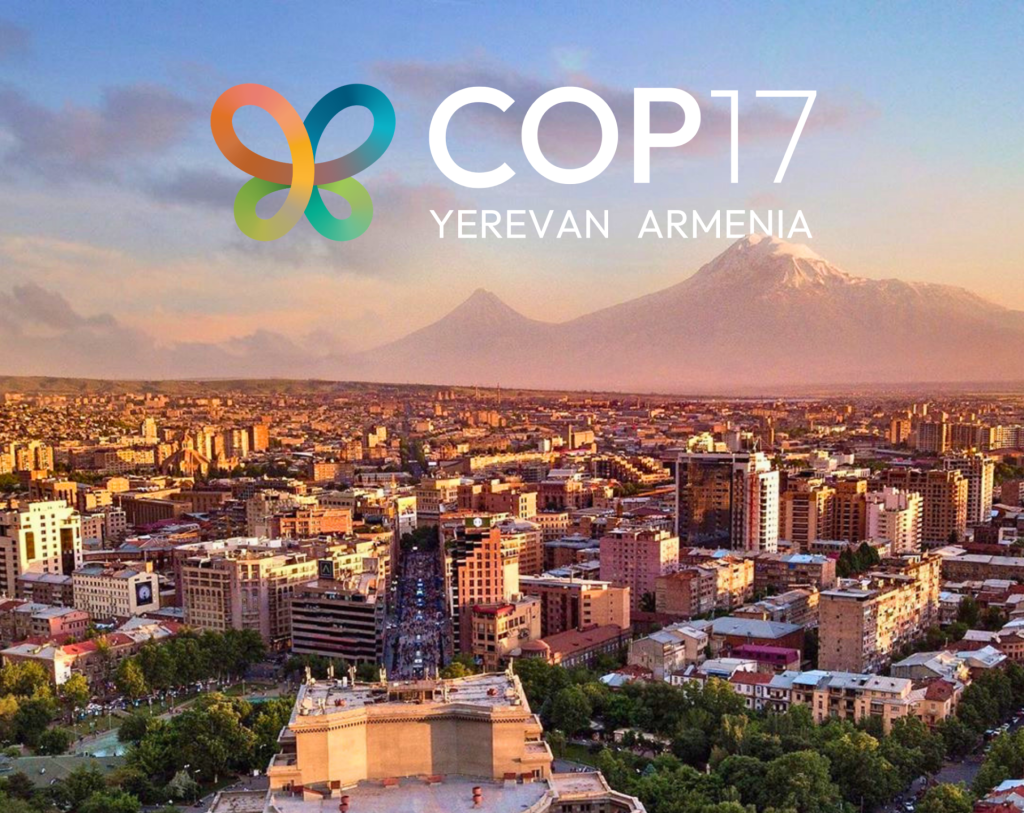
Despite its relatively small territory, Armenia has a remarkable diversity of landscapes and natural environments.
The country is home to mountain forests, alpine meadows, high-altitude lakes, semi-desert areas, gorges, and mountain rivers. This variety of habitats supports numerous plant and animal species.
Mountain ecosystems are particularly sensitive to climate change, changes in land use, and excessive pressure from human activities. Studying and protecting these ecosystems is therefore important for the country’s environmental resilience.
Protecting Rare Animals and Plants
Armenia is home to many species of conservation importance. Protecting their populations requires safeguarding natural habitats, conducting scientific monitoring, and encouraging cooperation among government bodies, researchers, and local communities.
Protected areas, ecological corridors, and ecosystem restoration projects all play important roles.
Sustainable Development in Mountain Regions
Armenia’s mountain regions are important for water resources, agriculture, local communities, and tourism.
Infrastructure development and economic activities should take environmental limits and local residents’ needs into account. This is particularly important in regions where natural landscapes are a major source of tourism appeal.
International Cooperation
COP17 created opportunities to expand professional networks, exchange experience, and discuss joint projects with international organizations and other countries.
For Armenia, this cooperation could have long-term value in scientific research, environmental education, sustainable land management, and ecotourism.
However, the country’s concrete benefits will depend on how effectively international agreements are incorporated into national policy and translated into practical projects.
How Is COP17 Connected to Tourism and Mountain Trails?
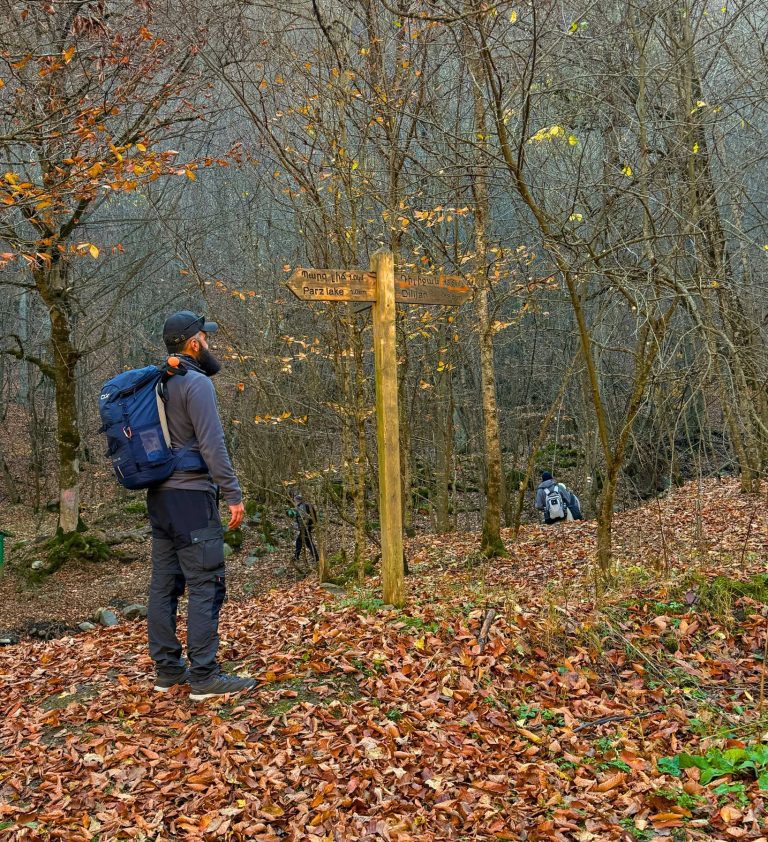
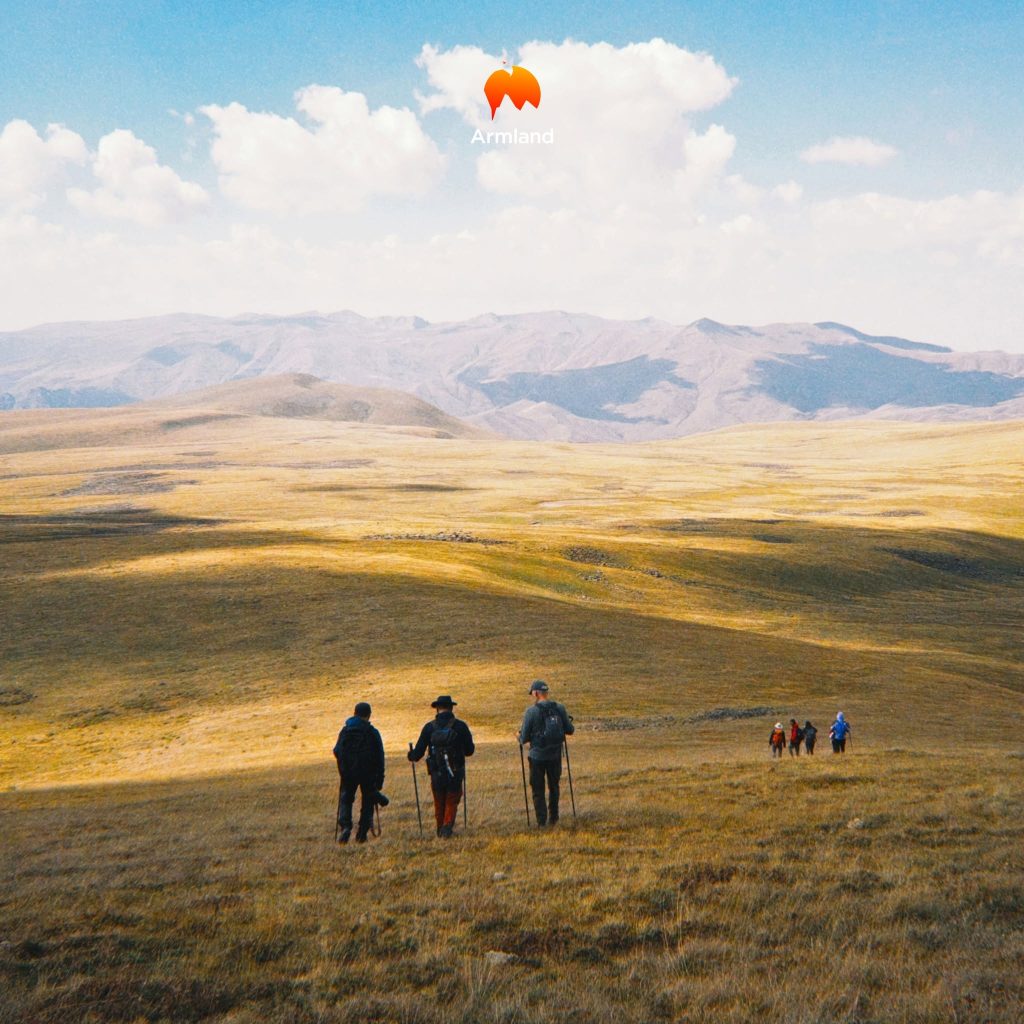
Biodiversity conservation is directly connected to tourism development. Natural landscapes, forests, mountains, lakes, and rare wildlife attract visitors and create opportunities for hiking, birdwatching, nature photography, and other forms of outdoor recreation.
This topic is particularly relevant to Armenia, where mountain tourism is an important part of the country’s tourism offering.
What Does COP17 Mean for the Future of Nature Conservation?
COP17 marked an important stage in international efforts to conserve biodiversity, but its outcomes do not mean that global environmental problems have been solved.
There is limited time remaining before 2030 to achieve the targets of the Kunming–Montreal Global Biodiversity Framework. Progress requires coordinated government action, sufficient funding, scientific research, and public participation.
In the coming years, several priorities will be especially important:
Implementing national biodiversity strategies.
Restoring degraded ecosystems.
Managing protected areas effectively.
Reducing pollution and the negative environmental impacts of economic activities.
Promoting sustainable agriculture and responsible tourism.
Improving environmental monitoring.
Strengthening cooperation between governments and local communities.
International conferences deliver real value when agreed decisions lead to practical changes on the ground—from restoring forests and protecting water bodies to conserving rare species and using natural resources more responsibly.

COP17 in Armenia was an important international event dedicated to biodiversity conservation and accelerating efforts to protect nature.
Hosting the conference in Yerevan helped draw global attention to ecosystem protection and Armenia’s role in international environmental cooperation. Discussions on global targets, financing, nature restoration, and sustainable resource use highlighted the need to move from commitments to tangible results.
For Armenia, COP17’s significance lies not only in hosting an international meeting but also in the opportunities it creates to advance conservation initiatives, strengthen environmental education, and promote responsible tourism.
Protecting nature is a shared responsibility of governments, businesses, local communities, and individuals. The condition of ecosystems, human well-being, and future generations’ ability to enjoy the natural wealth of our planet depend on how consistently agreed decisions are implemented.
COP17 reminds us that protecting nature begins with global decisions, but real progress is achieved through action on the ground.