What Causes Rockfalls?
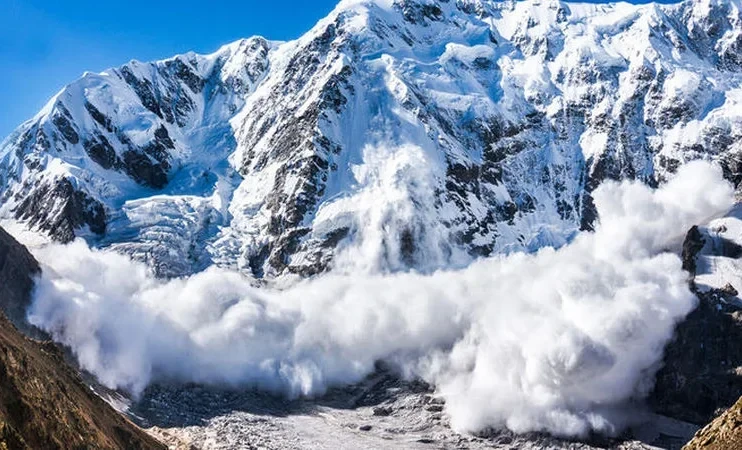
A rockfall occurs when rocks or fragments of rock detach from a cliff, mountain slope, or rocky outcrop and fall or bounce downhill.
Rockfalls are a serious hazard in mountainous terrain. Even a relatively small rock can cause severe injuries when it falls from a considerable height.
Rockfalls may be triggered by:
- Natural weathering and erosion.
- Freeze-thaw cycles, when water enters cracks, freezes, and expands.
- Heavy rainfall and rapid changes in temperature.
- Earthquakes and other ground movements.
- Wind, which can contribute to the deterioration of exposed rock.
- Animals moving across unstable terrain.
- Hikers or climbers dislodging loose stones.
Rockfalls may occur at any time of year. The risk can increase when rock is weakened by weathering, during periods of heavy rain, or when temperatures fluctuate around freezing.
Where Is the Risk of Rockfall Highest?
Certain types of terrain require particular caution.
- Steep Cliffs and Rocky Slopes
Loose rocks can fall from cliffs, ridges, and steep slopes without warning.
Be particularly cautious when travelling beneath unstable rock faces. Freshly broken rock, recently deposited debris, and signs of recent rockfall may indicate an active hazard.
- Gullies and Narrow Mountain Passages
Gullies and narrow valleys can channel falling rocks into confined areas, leaving little room to escape.
Avoid lingering in these locations, especially when loose rock is visible above the route. Where possible, choose an alternative route that avoids the rockfall zone entirely.
- Routes Above or Below Other Group Members
Hikers and climbers can accidentally dislodge stones that fall onto people below them.
When travelling on steep or rocky terrain, maintain enough separation to prevent one person’s movement from endangering others. Avoid walking directly beneath another group member wherever possible.
Helmets should be worn when the terrain presents a risk of falling rocks.
How to Reduce the Risk of Rockfall
Before the Hike
- Study the route and identify steep slopes, cliffs, gullies, and other exposed areas.
- Check the weather forecast and consider how recent rainfall, freezing temperatures, or rapid warming may affect the terrain.
- Choose routes appropriate to the group’s experience and equipment.
- Ensure that everyone has suitable footwear and a helmet when required by the terrain.
- Brief the group on rockfall warning signals and emergency procedures.
During the Hike
- Remain alert and watch for loose stones and unstable rock formations.
- Avoid stopping for long breaks beneath cliffs or on exposed slopes.
- Follow established routes and respect warning signs or closures.
- Do not climb over unstable rocks or deliberately dislodge stones.
- If you must pass through an exposed area, do so efficiently and avoid unnecessary stops.
- Warn other group members if you accidentally dislodge a rock.
A common warning call is “Rock!” Shout clearly and loudly so that everyone below can react immediately.
What to Do If a Rockfall Begins
Your response will depend on the terrain, the direction of the falling rocks, and whether suitable cover is available.
- Warn others immediately.Shout “Rock!” to alert everyone nearby.
- Move out of the fall line if you can do so safely.If there is a clear escape route towards the edge of the rockfall, move across its path rather than running directly downhill with the falling rocks.
- Seek substantial cover.If a stable rock outcrop or another suitable protective feature is immediately accessible, use it to shield yourself.
- Protect your head and neck.If you cannot escape or reach cover, crouch close to the slope, turn away from the falling debris where possible, and use your arms and helmet to protect your head and neck.
- Avoid unpredictable movements.Do not attempt to catch falling rocks or move into another exposed area without assessing the danger.
There is no single manoeuvre that guarantees safety during a rockfall. The safest response is to avoid entering the danger zone whenever possible.
How to Cross a Dangerous Section
If the route passes through an area exposed to falling rocks, the group leader should assess whether the crossing is necessary and whether a safer alternative exists.
If the section cannot be avoided:
- Identify the safest available line through the exposed area.
- Make sure the group understands the route and the warning signal.
- Keep group members from moving directly above or below one another.
- Cross exposed sections individually or in small, carefully managed groups, according to the terrain and the leader’s assessment.
- Keep other group members in a safe location outside the fall zone while someone crosses, if such a location is available.
- Do not proceed if rockfall is active or the route cannot be crossed with an acceptable level of risk.
The number of people crossing at once should be determined by the terrain and the risk assessment. There is no universal rule that every dangerous section can safely be crossed by one or two people.
What Can Fallen Rocks Tell You?
Accumulated rocks and debris at the base of a cliff can indicate that rockfall has occurred in the area.
Freshly broken surfaces, loose fragments, and newly deposited debris may suggest recent activity. However, the age of a rockfall cannot be reliably determined simply by looking at the colour of the surrounding grass.
Do not assume that a slope is safe because the rocks appear old or vegetation has grown around them. Rockfalls can occur without obvious warning.
Final Safety Reminder
Rockfalls can happen suddenly, and even experienced hikers may have little time to react.
Avoid unstable slopes, wear a helmet in exposed terrain, warn others when rocks fall, and never underestimate the danger of loose rock. If the route is exposed to active rockfall, turn back and choose a safer alternative.